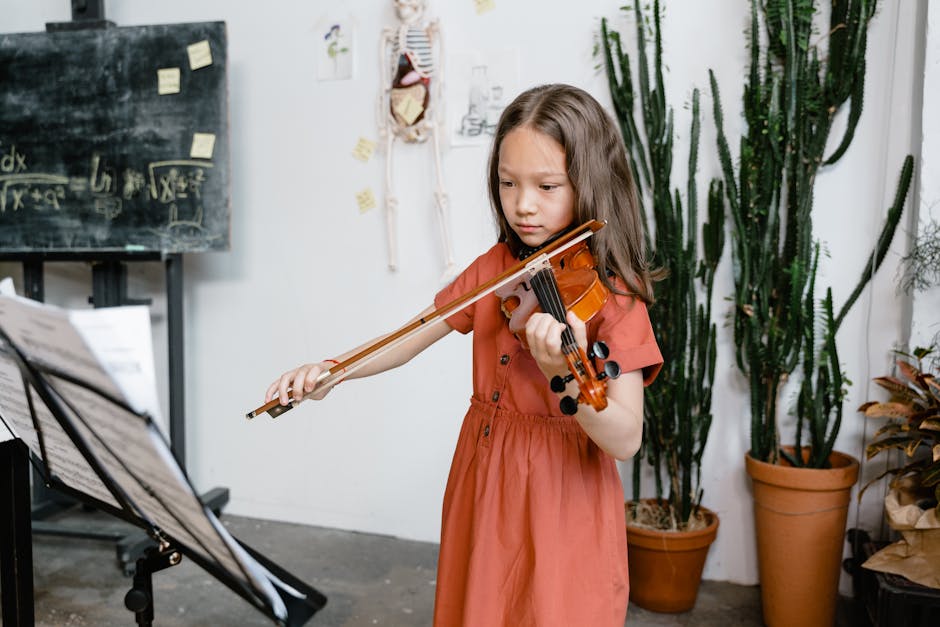
Choosing your first string instrument is an exciting decision, but it can feel overwhelming with so many options available. Whether you're drawn to the violin, viola, cello, or double bass, understanding the basics will help you make an informed choice that matches your interests and physical capabilities.
The violin is the most popular choice for beginners, known for its bright, soaring sound and prominent role in orchestras. It requires good posture and finger dexterity, making it suitable for children aged five and upwards, as well as adults of any age. The viola offers a warmer, mellow tone and sits between the violin and cello in terms of size and difficulty. Many violinists transition to viola later, but it's equally valid as a first instrument.
The cello produces a rich, resonant sound similar to the human voice and is held between the knees, making it accessible for people of various body types. It's an excellent choice if you prefer a deeper, more grounded sound. The double bass is the largest and deepest-sounding string instrument, perfect for those who love low frequencies and don't mind handling a substantial instrument.
Before purchasing an instrument, consider these practical factors:
- Your age and physical size—younger children typically start with fractional violins or smaller cellos
- Available practice space in your home
- Your budget for both the instrument and lessons
- Whether you prefer playing solo or in groups
- The type of music that inspires you—classical, folk, contemporary, or crossover styles
Finding a qualified teacher is crucial for building proper technique from the start. Poor habits formed early are difficult to break, so investing in lessons with an experienced instructor will accelerate your progress and prevent injury. Many teachers offer trial lessons, allowing you to experience their teaching style before committing.
Renting is a sensible option when beginning. It's more affordable than purchasing, allows you to try different instruments, and many rental agreements include maintenance and repairs. Once you've committed to learning for six months to a year, you can decide whether to buy.
Remember that learning a string instrument is a rewarding long-term journey. Progress may feel slow initially, but with consistent practice—even just 20-30 minutes daily—you'll develop skills and musical understanding that last a lifetime. Join a local orchestra or ensemble once you've mastered the fundamentals; playing with others is one of the greatest joys of making music.
