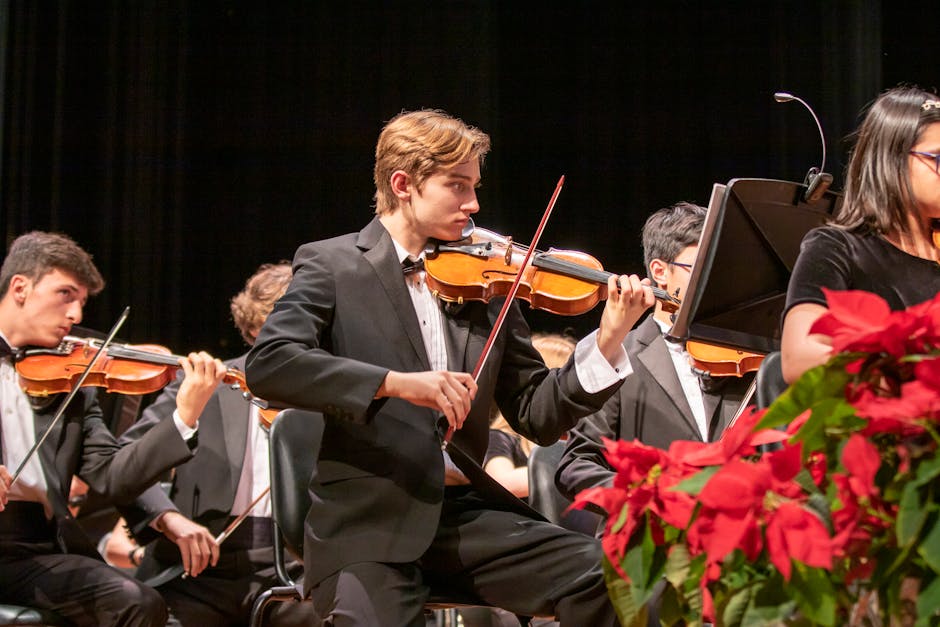
Playing in an orchestra offers far more than musical enrichment—it provides measurable physical and mental health benefits supported by growing scientific research. Whether you're a seasoned musician or returning to music after years away, joining an ensemble can positively transform your wellbeing.
Mental Health and Stress Relief
Making music is a powerful stress reliever. Playing requires focus that quiets anxious thoughts, and the concentration needed for ensemble playing creates a meditative state similar to mindfulness practice. Studies show that orchestra musicians report lower anxiety levels and improved mood after rehearsals. The sense of achievement from mastering difficult passages and performing successfully builds confidence and self-esteem.
Cognitive Benefits
Learning and performing music strengthens neural pathways associated with memory, attention, and problem-solving. Reading music notation, anticipating your cues, and listening to other players simultaneously exercises multiple cognitive functions. Research indicates that musicians have enhanced working memory and processing speed compared to non-musicians, benefits that extend into other areas of life.
Physical Health
Playing a string instrument provides gentle physical exercise. The repetitive motions improve hand-eye coordination, fine motor control, and posture. Regular practice and performance sessions increase physical activity levels, contributing to cardiovascular health. The disciplined practice routine also encourages structured, healthy habits.
Social Connection
Orchestras are inherently social. Rehearsals bring together people from diverse backgrounds united by shared musical goals. This social engagement combats loneliness and isolation, particularly important for older adults. The friendships formed through ensemble playing provide genuine community and belonging.
Sense of Purpose
Contributing to something larger than yourself—creating beautiful music collectively—provides purpose and meaning. Each player's part matters; you're not just playing notes, you're contributing to a complete artistic vision. This sense of contribution enhances overall life satisfaction.
Accessible to All Ages and Abilities
You don't need to be a virtuoso to benefit from orchestra participation. Many ensembles welcome players of intermediate ability, and some offer beginner sections. Adults returning to music find orchestras particularly rewarding; there's no pressure to become a professional, just the joy of making music together.
If you're considering joining an orchestra, start by attending a rehearsal as an observer. Most ensembles welcome visitors and can advise whether your current ability level suits their ensemble. The investment in time and modest fees returns dividends in health, happiness, and human connection that accumulate throughout your life.
